


Operation Veles: Ukraine's 15 Kilometer Underground Strike Behind Russian Lines at Kupiansk


In brief: Ukraine's 2nd Khartiia Corps says Operation Veles moved assault troops more than 15 kilometers through gas pipelines to hit Russian positions at Kupiansk from behind, claiming more than 100 Russian losses and over 30 prisoners. A second unit, the 425th Skelia Regiment, spent two months underground clearing Russians out of a meter-wide pipe they were using to crawl into the city.
Part of our Ukraine War Analysis coverage.
The battlefield above ground has gone transparent. Drones watch every road, every tree line, every soldier who stands up, and both armies have spent 2026 learning to move in ones and twos or not at all. This week Ukraine showed its answer: go where the drones cannot look. On Wednesday, October 21, the National Guard's 2nd Khartiia Corps teased first footage of something it called Operation Veles. On Thursday it laid out the claim in full: Ukrainian assault troops moved more than 15 kilometers through underground gas pipelines on the Kupiansk axis, came up behind Russian positions, and hit them from two directions at once.
What Operation Veles Did Under Kupiansk
Veles, named for the Slavic god of the underworld, was run by the Khartiia Corps headquarters with the 13th Khartiia Brigade, the 23rd assault regiment, the 21st Lava and 429th Achilles unmanned systems units, and military intelligence formations including the Freedom of Russia Legion and the Russian Volunteer Corps, according to Kyiv Post's account of the corps release. The preparation reads like mining engineering: sappers cleared the route, and the corps installed its own navigation, communications and life-support systems for a space with no GPS, no daylight and no radio reach. Troops trained physically and psychologically for days in confined spaces before going in.
The corps commander, Brigadier General Ihor Obolenskyi, says the idea came from watching the enemy. "The Russians believed underground infrastructure was their exclusive tool for bypassing our defenses," he said in the release. Khartiia studied those movements, then went underground first. When the assault groups surfaced behind Russian lines, surface units and drone strikes, coordinated through a joint operations center with Achilles, hit the same positions from the front.
The results, by the corps' own count and not independently verified: more than 100 Russian losses and more than 30 prisoners. Corps press officer Volodymyr Dehtiarov told Army FM the fighting ran through gas pipes 1 to 1.2 meters high, buried 2 to 4 meters down, where no one can stand. Some pipe sections had as many as 10 exits to the surface, which is why simply blowing the pipeline never worked: the Russians dug around the cuts and reconnected. Many of the prisoners, he said, were former convicts who sat in the dark for more than a month, until the food ran out, waiting for their command's permission to surrender.
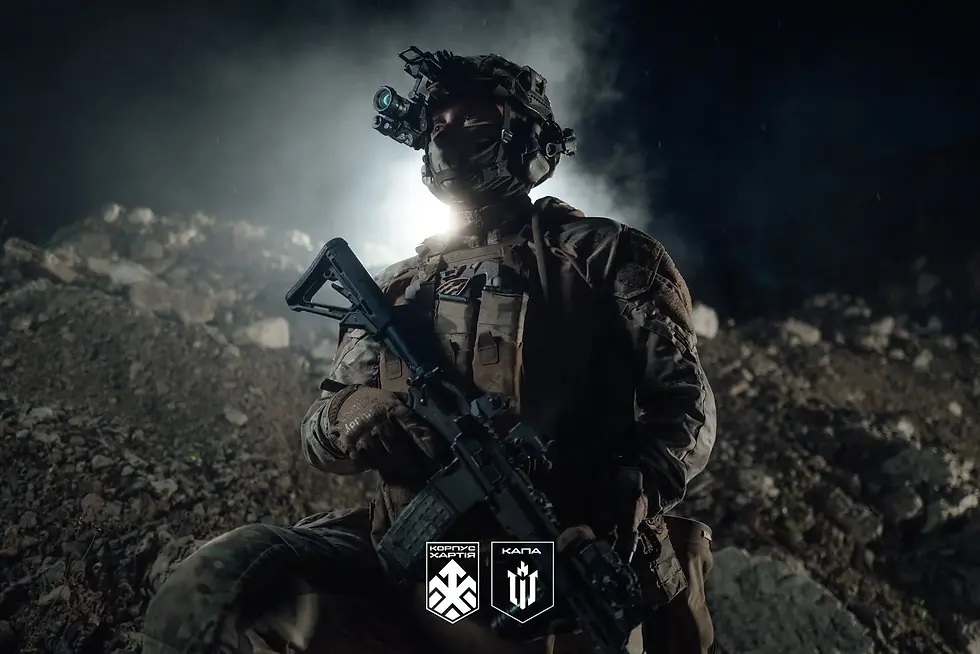
Photo: 2nd Khartiia Corps via ArmyInform, CC BY 4.0
Two Months in a Meter-Wide Pipe
Veles was not the only underground fight at Kupiansk. On Thursday the 425th Skelia Assault Regiment published its own account, reported by Militarnyi and United24 Media on Friday, of a two-month operation to clear Russians out of a main gas pipeline running through Radkivka and Holubivka that Moscow's infantry had been using to slip into the city.
The details are claustrophobic. One ten-man group needed three days to cover roughly five kilometers of pipe about one meter in diameter, moving single file through mud and water, through sections that were freezing and sections near the surface that were punishingly hot, with thin air the whole way. Soldiers flew drones inside the pipe at Russians sometimes 20 meters away, built sandbag barricades, and mounted machine guns underground. One participant told the regiment's film crew that after days of lying flat, the first wish on getting out was simply to stand up. The regiment says the pipeline route into Kupiansk is now blocked and held.
From Avdiivka to Sudzha: How the Pipes Became a Front
Russia wrote this playbook. During the final assault on Avdiivka in early 2024, Russian troops crawled through a disused drainage pipe to get inside Ukrainian lines. In March 2025 came Operation Potok at Sudzha: Russian soldiers walked and crawled nearly 16 kilometers through the disused Urengoy to Pomary to Uzhhorod gas pipeline, some spending days inside, to surface in the rear of Ukraine's Kursk salient. Ukrainian officers said the group was ambushed and suffered enormous losses, with some reports of men suffocating in methane residue, but Sudzha fell within the week and Russian state media celebrated the pipe crawl as a war-winning stroke. By September 2025, Ukraine's DeepState project counted a third case: Russian groups crossing under the Oskil River through a gas pipe toward Kupiansk itself.
That Kupiansk infiltration shaped a year of fighting. Kyiv says it cleared the city last winter, and the battle since has been against seepage rather than assault. The ugliest chapter came on September 27 this year, when Khartiia drones filmed Russian troops leading nine civilians, children and elderly people among them, through a pipeline out of the Kupiansk community, a case the corps has documented for war crimes investigators, as Euromaidan Press reported. Veles is the moment the tactic changed hands: the army that was being tunneled under went under first.

Image: 2nd Khartiia Corps announcement of Operation Veles, via ArmyInform, CC BY 4.0
Why It Matters
Strip away the cinematic trailer and the operation still says three things. First, the infiltration pressure on Kupiansk is real and current: ISW's October 21 assessment geolocated Ukrainian strikes on Russian infiltrators on the city's northern outskirts, while a Russian milblogger claim of an advance north of the city remained unconfirmed. Veles and the Skelia operation are what counter-infiltration looks like when the infiltration routes are pipes.
Second, the wider ledger favors the defender who adapts. By ISW's count, Ukraine has liberated about 1,080 square kilometers since January 1, 2026, including the Operation Vivaldi counteroffensive at Lyman, while Russia's net gain over the same ten months is about 73 square kilometers. "Veles proves that there is no positional deadlock for those who possess initiative and technology," Obolenskyi said. That is a press release sentence, but the numbers behind it are not his.
Third, the timing is political. The corps published its underground offensive the day after Witkoff's meeting with Putin in St. Petersburg, in a week when Washington is pressing a framework many in Kyiv read as written on Russia's terms, and hours after the Moscow drone attack and 21 ballistic missiles on Kyiv. Every demonstration that Ukraine can still take back ground, above it or under it, is an argument at that table.

Photo: National Guard of Ukraine via ArmyInform, CC BY 4.0
What to Watch
Whether DeepState and ISW confirm surface ground changes around Kupiansk in the coming days, which would turn a corps claim into a mapped fact. Whether Russia starts flooding, mining or cutting its own rear pipelines, the defensive answer Ukraine itself reached for in 2025. Whether underground engineering, the life support and navigation kit Khartiia built, spreads to other corps as standard equipment. And whether the promised follow-up footage names the settlements, which would let the geolocators do their work.
The underground war will not stay under Kupiansk. The channel tracks it daily at t.me/TheLeaflet.
Read next: Operation Vivaldi Phase Three: The Bluff at Lyman That Took Back 51 Square Kilometers and Kramatorsk Bus Stop Attack: The Glide Bomb That Killed 33.
Want this level of analysis in your inbox? Drop your email in the subscribe box at the bottom of this page and the channel will send you the Sitrep Digest: the best of these briefs in a five minute read.
A question for the comments: should Ukraine build underground assault engineering into a permanent corps-level capability, or was Veles a one-off that worked because Russia assumed the pipes belonged to them? Drop your take in the comments, or tell the channel what to cover next.
Sources
Kyiv Independent (Oct 22, 2026), ArmyInform (Oct 21 and 22, 2026), Militarnyi (Oct 22 and 23, 2026), Kyiv Post (Oct 22, 2026), Euromaidan Press (Oct 22, 2026), United24 Media (Oct 23, 2026), hromadske (Oct 22, 2026), ISW (Oct 21, 2026), AP background reporting on Operation Potok (March 2025). Photos: 2nd Khartiia Corps and National Guard of Ukraine via ArmyInform, CC BY 4.0.


Comments